What are Life Hacks & Tools wheels used for?
They are used for scenario-specific random decisions, challenges, and quick selections under one themed category.
Category
Explore all wheels in this category with the same interaction model and visual language.
Explore Fashion & Style wheel tools for random choices, games, and quick decisions. Find the best wheels in one place.
Explore
Explore Party & Social Games wheel tools for random choices, games, and quick decisions. Find the best wheels in one place.
Explore
Explore Computer Games wheel tools for random choices, games, and quick decisions. Find the best wheels in one place.
Explore
Explore Sports wheel tools for random choices, games, and quick decisions. Find the best wheels in one place.
Explore
Explore Creativity & Arts wheel tools for random choices, games, and quick decisions. Find the best wheels in one place.
Explore
Explore Others wheel tools for random choices, games, and quick decisions. Find the best wheels in one place.
Explore
Life Hacks & Tools wheels are designed for users who need focused random decision tools inside one topic family. Instead of starting from a generic randomizer, category pages help you discover a curated set of tools with clearer intent and better context. This improves both usability and decision speed, because users can pick the right wheel in fewer clicks. A strong category page should explain where the category starts and ends, who the page is for, and when a wheel-based approach is better than a static checklist.
In practical use, category organization reduces cognitive load. People often arrive with a broad intent and only refine their choice after seeing examples. By grouping tools with readable titles, concise summaries, and internal links, the page becomes both a navigation layer and a lightweight guide. You can use these wheels in classes, social events, communities, personal planning, and team collaboration scenarios. The main benefit is consistency: every tool follows a similar interaction model, so users learn once and apply repeatedly.
For long-term growth, a category page should keep quality gates stable: each tool must remain indexable only when content is complete, internal links must avoid dead targets, and FAQs should answer real user concerns rather than keyword stuffing. This allows the page to scale without sacrificing clarity. As you add more tools, maintain featured recommendations and related categories to preserve discoverability. That structure supports both search engines and human users by making relevance and relationships explicit in the page content.
Life Hacks & Tools pages should keep content practical: explain boundaries, show representative tools, and provide direct navigation paths so users can finish selection quickly with minimal friction.
They are used for scenario-specific random decisions, challenges, and quick selections under one themed category.
Start with the tool title and description, then choose the wheel whose option model matches your immediate decision task.
Yes. You can copy a wheel into the editor flow and adjust entries for your own context.
Featured tools are selected based on practical usefulness, coverage breadth, and recurring user demand.
Yes. Main listings should only include accessible, indexable tools with valid canonical URLs.
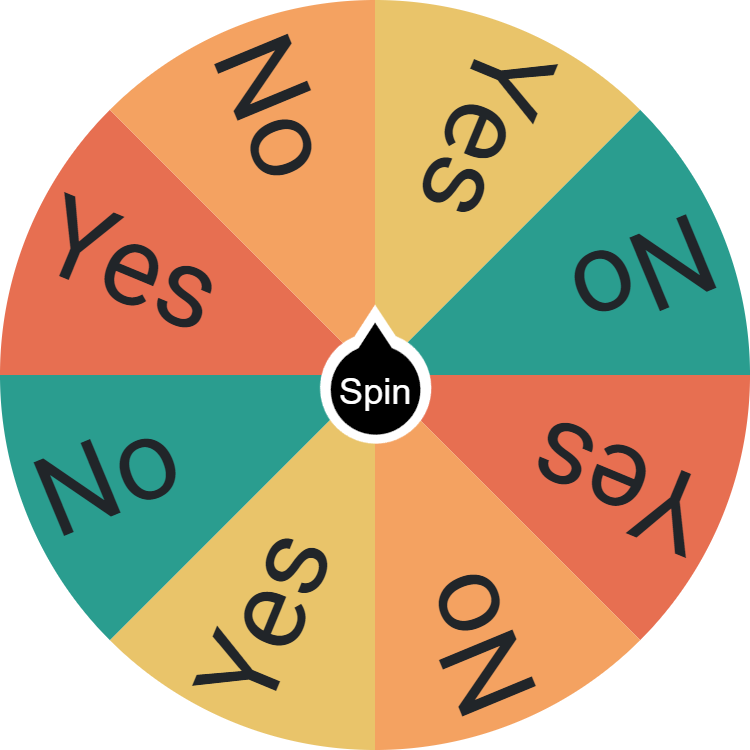
Quickly resolve daily indecisions with the Yes or No Wheel Picker Generator, random solution for an instant, unbiased yes or no answer.
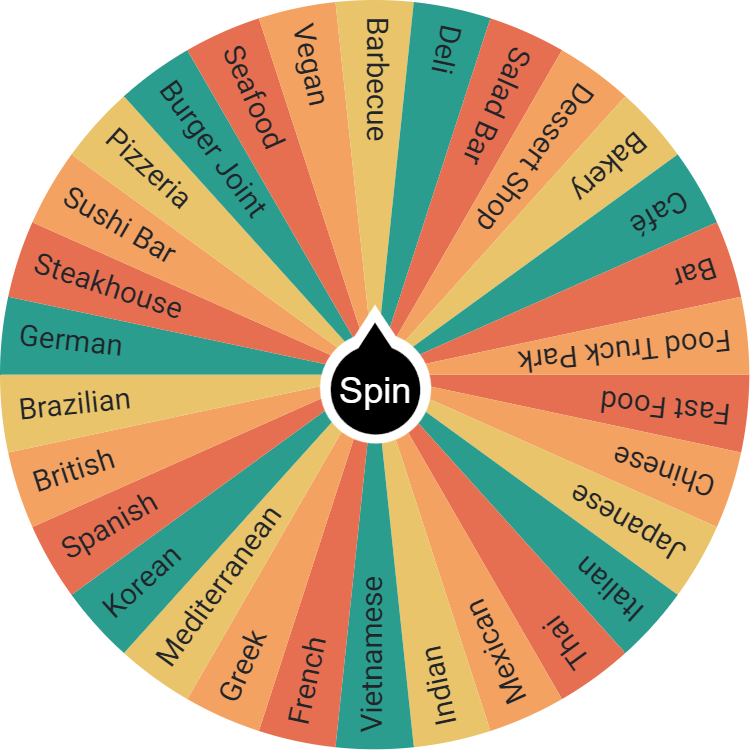
Can't decide what to eat? Spin the wheel for meal ideas, from pasta to salads. Perfect for quick, random dining adventures. Share and enjoy new tastes!